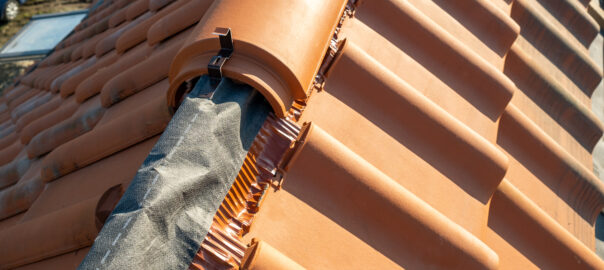
Fall Old Roof Leaves

Why Fall Is the Best Time for a Roof Inspection

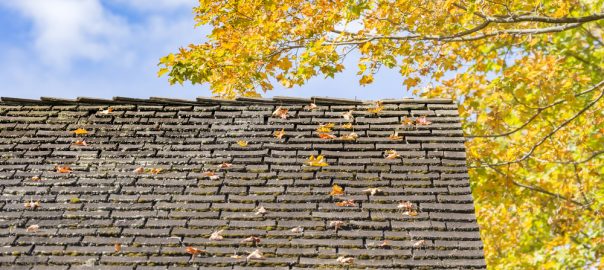
Take a good look up. No, not to the sky. I mean, look at your roof. Fall is the ideal time to inspect your roof.  The weather’s cooperative, and this is probably the last time you’d see it this well before winter sets in. For our readers with ADHD, there are other parts of the house to inspect before the winter, but let’s focus on the roof for now. Because catching those issues now would save you money, stress, and even your ceiling.

You can actually see what’s going on

When it was summer, everything was dry. There’s a good chance you could even live with some level of damage to your property. In Spring, you have the constant rain to deal with, which leaves you with a bit of a head scratcher as to the true situation of things. Is it an active problem, or is it leftover moisture build up? But the dry days with mild temperatures in fall present the best opportunity to get a ladder, go up on the roof, and spot those missing shingles, cracked flashing, or sagging spots. You could unclog your roof gutters and remove leaves and little tree droppings that damage your roof drainage. 

Summer damage shows up now

Roofs take a beating during the summer. UV rays take a toll on roof shingles over the course of the summer. There’s the constant contraction and expansion these materials have to deal with under the intense heat. These cause the nails to loosen and create gaps in the roof. Then you have the storms, high winds, or occasional heavy rain. The damage from these weather effects may not be so obvious until the temperatures start to cool down in the winter. Now’s the best time to go take an audit on the condition of your roof. Don’t wait till you’re in the middle of a snowstorm to realize your roof wasn’t ready.

Prep before winter locks everything in place

Snow and ice don’t play with faults in your home installations. Once snow and ice come in, it’d be too late to fix most issues. Ice dams can expose weaknesses in the structure. When cracks form, and snow catches in, trapped water seeps under shingles and into your attic. God forbid your roof has hidden damage; the added weight of snow will make it worse fast. Make sure to get an inspection done to enable you to seal gaps, replace worn-out materials, and reinforce weak areas before the cold seals it in place.

It’s easier (and safer) to schedule help

Springtime is a busy season for roofers. This is when the leaks from all the roofs that suffered winter damage occur. Summer’s also booked but for a different job – roof replacements. What roofers find is that in the fall, they aren’t as heavily booked. This is the reason fall is the best time to get roofers to work on your roof. What’s not to love? You get faster service times, more flexible scheduling, cheaper rates, and more time for thorough work. And because of the predictably mild weather, inspections and minor repair work happen without constant delays due to weather. 

You’ll save money in the long run

In the fall, when the roofers are not as fully booked. You get the benefit of free inspections. These inspections can uncover minor issues before they become large bills. Think of fixing a few shingles or resealing flashing. These would cost a fraction of what it’d be after a winter leak ruins your insulation, drywall, or flooring. These can escalate to problems with your insurance company denying your claims on the grounds of being avoidable damage. Think of it like your house is getting a routine oil change – it’s routine, and way less of a bother than a full-on breakdown.

What to look for during a fall roof check

From the ground floors, watch out for;

  • Missing, curled, or cracked shingles
  • Dark streaks or moss growing along the wall. This is a sure sign of moisture building up
  • Uneven ridges or sagging rooflines
  • Leaves clogging up the gutters and roof valleys

Contact Rhode Island Slate Roofing

It doesn’t take too much expertise to spot an issue with your roof. When you do, you need someone competent to take care of it. That’s where Rhode Island Slate Roofing comes in. We offer free, no-pressure roof inspections every fall. Our certified technicians know what to look out for, what to fix, and what can remain. Call us at 401-255-2003 or fill out our contact form to make sure your roof is winter-ready.

broken and fallen slate

Protecting Your Slate Roof from Storm Damage

Slate roofs are a good option for beautiful, long-lasting roofs, but any material can take a beating when faced with severe weather. High winds, hail, and heavy rains can all place a significant burden on your roof and cause liability if the roof is not properly maintained. 

Protecting your slate roof from storm damage requires preparing your roof in advance of a storm, maintaining it regularly, and knowing what to do in the event of a storm.

Why Slate Is Resilient But Not Invincible

Slate is valued for its strength, with many slate types being resistant to winds reaching 110 mph or higher and hail up to Class 4 resistant. Throw in the fact that it is one of the most durable roofing materials available. 

However, that doesn’t mean it’s indestructible. During powerful storms, slate can dislodge, crack, or compromise flashing, and without prompt attention, these issues may lead to leaks or structural damage. While slate’s resilience is impressive, preparation and ongoing maintenance are essential to keeping your roof intact when a storm hits. 

Make Your Slate Roof Storm-Ready

Taking a few important/precautionary steps before it storms can help minimize damage.

  • Regular Inspections — Have your roof inspected prior to storm season to find any broken slats, missing flashing, and clogged gutters.
  • Hardware — Attach clips or hurricane straps to the structure to help keep it secured from wind uplifts.
  • Tree Trimming — Trim branches that could fall on your roof.
  • Gutters and Downspouts — Remove leaves and debris from gutters and downspouts to allow water to drain and prevent a pool from forming on your roof.

Spotting and Handling Storm Damage

Following a storm, keep an eye out for all the telltale signs of trouble. Missing tiles, cracked slats, or shifted flashing can often be signs of storm damage. Moreover, hail can cause dents or hairline fractures, which can trap moisture and lead to faster deterioration. If more than 20–30% of your slats are damaged, replacing some sections of the roof may be more effective than repairing several small leaks.

Smart Reinforcements and Upgrades

Storm protection doesn’t end with maintenance. Upgrading to a slate impact-resistant roof, adding hurricane straps, and addressing moss/algae and any other issues will future-proof your roof for many years to come. As we all know, proactive repairs and preventative measures are almost always less expensive than a full-scale replacement.

Have Roof Damage? Contact Us

Taking care of a slate roof is not only about retaining its unique beauty, but it is also about addressing safety and longevity for all seasons. For peace of mind before your next storm, trust Rhode Island Slate Roofing to provide expert care and reinforcements tailored to your home. Contact us through our contact form or give us a call at 401-255-2003

installing slate roof

Don’t Miss These Signs Your Slate Roof Might Need Fixing

Slate roofs are known for their beauty, longevity, and ability to withstand the New England harsh winters, but that doesn’t mean they’re maintenance-free. Over time, even a durable slate roof can develop repairs that require professional attention. If you’re a Rhode Island homeowner, here are the key signs your slate roof may need repairs.

Cracked or Broken Slate Tiles

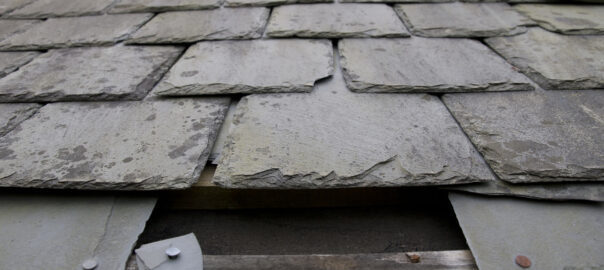
Cracked or broken slate tiles are one of the most common signs of roof damage. This can occur over time or in harsh winter conditions. If this isn’t repaired, the damage can lead to water leaks or structural damage. 

Water Stains on Ceilings or Walls

Water stains in the interior of your home can be a sign of water leaking through your roof. This shows up in brown or yellow discoloration stains on walls or ceilings. This is common in Rhode Island homes where heavy rain and snowfall happen. If you see water stains in your home, you should contact a roofing company to get ahead of the problem. 

Rusted or Failing Flashing

The flashing around chimneys, valleys, and roof edges keeps the water out of your home. But over time, this can rust and crack, especially with rain and snow.  Damaged flashing can lead to leaks, even if your slate tiles look fine.

Moss or Algae Growth

While moss is normal and is bound to happen in shady and damp areas. Excessive growth can trap moisture and cause slate tiles to degrade faster. If you notice heavy moss, it may be time for a roof cleaning and inspection.

Sagging or Uneven Roofline

If you notice a sagging area in your roof, this is often a sign of underlying structural issues. This could be caused by prolonged water damage, rotting decking, or poor installation. Slate is heavy, so it’s critical to catch and fix these issues early to reduce further damage. 


Your Roof Is Over 75 Years Old

Slate roofs are built to last, often 100 years or more, but that doesn’t mean repairs aren’t needed along the way. If your roof is over 75 years old and hasn’t been inspected recently, it’s a good idea to schedule a professional evaluation.

Why Regular Inspections Matter

Many slate roof problems can be caught early with routine maintenance. Annual inspections, especially after harsh winters or major storms, can help prevent small issues from turning into costly repairs.

Contact Rhode Island Slate Roofing

We understand more than anyone the unique challenges of Rhode Island’s winter weather and know what it takes to protect your home. If you notice signs that your slate roof may need fixing, contact our team! We use top-quality materials and expert craftsmanship, giving you peace of mind no matter the damage. Contact our team today to get your roof ready for winter, fill out our contact form, or call 401-255-2003

slate roof in winter

How Slate Roofing Holds Up Against Harsh Rhode Island Winters

Rhode Island is one of the best places to call home, with its ocean views, fresh seafood, and charming coastline. But the winters here are no joke. Heavy snow, freezing rain, and icy winds can put any roof to the test. Slate roofing has been trusted for centuries, not just for its look but for its ability to withstand the toughest weather. For Rhode Island homeowners, it offers unmatched durability, strength, and style. Here is how slate roofing holds up against harsh Rhode Island winters.

Rhode Island Winters and the Strength of Slate Roofing

What Is Slate Roofing?

Slate roofing is made from natural stone that’s been quarried, cut, and shaped into roof tiles. Each tile is incredibly dense and resistant to moisture, making it ideal for areas with harsh weather like Rhode Island. Because it’s a natural product, no two tiles are exactly the same, giving every slate roof a unique appearance.

Benefits of Slate Roofing in Rhode Island

Durability in Snow and Ice

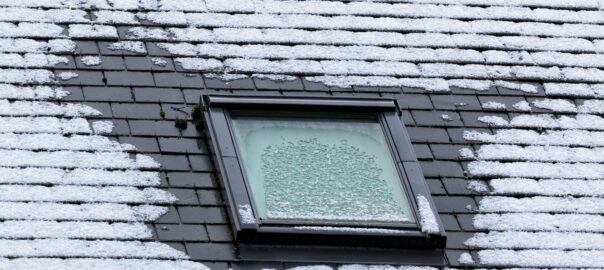
One of the biggest challenges in a Rhode Island winter is the constant freeze-and-thaw cycle. Many roofing materials crack under pressure, but slate is incredibly dense and resistant to water absorption. This means it will not expand or contract as much in extreme temperatures, reducing the risk of damage from ice buildup.

Resistance to High Winds

Winter storms in Rhode Island often come with powerful gusts that can rip shingles right off a roof. Slate tiles are much heavier than traditional asphalt shingles, giving them an advantage when it comes to wind resistance. Properly installed, a slate roof can withstand winds that would cause significant damage to other materials.

Low Maintenance in Harsh Conditions

Because slate is a natural stone, it does not warp, rust, or rot. While all roofs require some level of care, slate’s durability means fewer repairs over the years. During winter, this can save homeowners time and money, as they won’t have to worry about constant patchwork after every storm.

A Long-Term Investment

Slate roofing can last 75 to 100 years or more with proper care, making it a true long-term investment. While the initial cost is higher than other materials, its lifespan and performance during harsh Rhode Island winters more than make up for it. This also adds to your home’s value, making slate a smart choice for both protection and resale potential.

Contact Rhode Island Slate Roofing

We understand more than anyone the unique challenges of Rhode Island’s winter weather and know what it takes to protect your home. Our team specializes in slate roofing installation and maintenance, keeping your roof strong through every season. We use only top-quality materials and expert craftsmanship, giving you peace of mind no matter how harsh the winter gets. Contact our team today to get your roof ready for winter, fill out our contact form, or call 401-255-2003. 

What to Expect During a Slate Roof Installation

If you’re considering upgrading to a slate roof, you’re investing in one of the most durable, beautiful, and long-lasting roofing materials available. At Rhode Island Slate Roofing, we understand that any roofing project is a significant undertaking, and we’re here to make the process as smooth and stress-free as possible. Here’s what you can expect during a slate roof installation.

1. Initial Consultation and Inspection

First, your slate roof installation begins with a consultation. We’ll visit your home or business to assess the structure, measure your roof, and discuss your needs and preferences. We’ll also inspect the existing roofing system to determine if any structural upgrades are required to support the weight of slate, which is heavier than asphalt shingles or metal. Next, you will choose the type, size, and color of slate you prefer. Our team of professionals can help you select the right material for your building and budget.

2. Detailed Estimate and Project Planning

After the inspection, we’ll provide a detailed estimate that includes labor, materials, and timelines. Slate roofing is a premium product, so it’s important to understand both the cost and long-term value. We’ll also outline the full scope of the project so you’ll know what to expect in each phase. Once approved, we schedule your project and order your slate tiles and underlayment materials. Because slate is a natural product often cut to order, there may be a short lead time for materials to arrive.

3. Removing the Old Roof

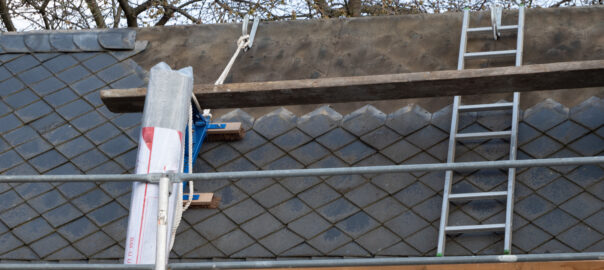
On installation day, our crew begins by safely removing the existing roofing material down to the decking. We protect your landscaping, siding, and property during this phase. Any damaged or rotten decking is replaced to ensure a solid foundation for the new slate roof.

4. Installing the Underlayment and Flashing

Slate roofs require a specialized underlayment, typically a high-quality synthetic or felt product that provides waterproofing. We also install custom flashing around chimneys, valleys, and roof penetrations to ensure your roof is watertight. Proper flashing is critical in slate roofing and one of the main factors in its long-term durability.

5. Laying the Slate Tiles

Our experienced team hand-installs each slate tile, ensuring proper alignment and overlap. Slate is fastened with copper or stainless steel nails to prevent rust and staining. Because slate tiles are laid individually, this process takes longer than installing other roofing types, but the results are worth it for a roof that can last 100 years or more.

6. Final Inspection and Cleanup

Once installation is complete, we perform a final inspection to ensure every detail meets our high standards and yours. We clean the job site thoroughly, removing debris and ensuring your home looks even better than when we started. If you are looking to install slate roofing on your New England home, contact Rhode Island Slate Roofing at (401) 255-2003, and we will be happy to work with you to get the best roof for your home. 

Slate Roof and Windows

What Makes Slate Roofing Ideal for Rhode Island Homes?

When it comes to choosing the right roofing material for your home, especially in a place like Rhode Island, the decision is more than just aesthetic; it’s about long-term durability, protection, and value. One material stands out as a superior option for New England homes: natural slate. Here’s why we believe slate roofing is one of the best choices for homeowners in the Ocean State.

1. Built for Rhode Island’s Weather

New England weather can be unpredictable, whether it’s coastal storms or Nor’easters to humid summers, or cold winters. That’s why the roofing on your home needs to be water-resistant, wind-resistant, and incredibly durable. That’s why slate roofing is perfect for Rhode Island’s unpredictable seasons. 

2. Timeless Aesthetics That Match New England Architecture

Rhode Island is known for its historic homes, colonial-style architecture, and coastal charm, and slate roofing not only protects these homes but also enhances their character. Each slate tile offers natural elegance, with unique textures and rich color variations that create a high-end, timeless appearance. Beyond aesthetics, a properly installed slate roof significantly boosts curb appeal and adds lasting value, helping homes stand out in any Rhode Island neighborhood.

3. Incredible Longevity

Slate Roofing is incredibly worth it due to its longevity. Slate roofs can last 75 to 150 years or even longer with proper maintenance. For Rhode Island homeowners, that means investing once and enjoying peace of mind for generations.

4. Great for Historic and Coastal Homes

Rhode Island is rich in historic districts and coastal communities, where building materials follow strict preservation and environmental standards. In many of these areas, preservation societies and local regulations either prefer or require the use of slate for restoration projects, as it maintains the architectural integrity of historic homes. Slate is highly resistant to salt, moisture, and the harsh coastal climate, making it an ideal roofing choice for homes in seaside towns along the shoreline.

5. Adds Value to Your Home

A slate roof is a sign of quality craftsmanship and lasting value. Buyers recognize it as a premium feature, one that can justify a higher resale price. Some insurance companies offer lower premiums for fire-resistant and weather-durable roofs.

Contact Rhode Island Slate Roofing

If you’re considering slate roofing in Rhode Island, whether for a new home, a replacement, or a historic restoration, Rhode Island Slate Roofing can help! With decades of experience working on slate roofs, we can help you achieve your home roof goals. Contact us today through our contact form, or give us a call at 401-255-2003

algae on roof

Common Causes of Roof Algae and How to Prevent Them

For homeowners, spotting roof algae growing as dark streaks or stains is a common problem, especially if they reside in humid climates. While considered an aesthetic issue, letting it grow can result in more drastic issues for your roof.  In this blog, you’ll learn the causes and what you should do to prevent this roof algae from growing and causing further damage. 

What is Roof Algae?

Gloeocapsa magma, a type of cyanobacteria, is the most common culprit behind those dark streaks. This is an airborne, single-celled organism that breeds in moist environments and feeds on the limestone filler found in asphalt shingles. The multiplication forms the dark, sticky appearance that you think is dirt or mild dew. 

What Are The Common Causes of Roof Algae?

The following are the common causes of roof algae: 

Moisture and Humidity

As mentioned above, algae need moisture to survive and spread. Therefore, in regions where there is on-and-off rainfall, or roofs that don’t quickly dry, the dark stains consider that moisture as their new home. Apart from this, shade also plays a crucial role as that keeps your roof damp for days. 

Shade Of Trees

Is your house surrounded by trees or tall buildings? Then, that will cast a shadow on your roof, stopping the portion from drying out. This dampness creates an ideal atmosphere for algae to grow, and if you also have north-facing roof slopes, be prepared to deal with the problem as these get less direct sunlight. 

Limestone Filler 

Limestone filler is usually put in modern asphalt shingles. The bacteria feed on the same limestone, offering them a nutrient-packed source to let them breed. 

How to Prevent Roof Algae?

The good news is that you can prevent roof algae in the following ways:

Trim Extra Branches 

In case there are overhanging branches casting a shadow on your roof, kindly trim them. The cutting will permit maximum sunlight to reach the surface, drying the wet part. On top of that, this also minimizes the quantity of debris that can collect moisture on your roof. 

Proper Ventilation

A proper ventilation assists in regulating the temperature of your roof and decreases the quantity of moisture collection underneath the shingles. The circulation of air helps the shingles dry out more rapidly, ending the appeal for algae growing on your surface. 

Invest in Algae-Resistant Shingles

You can invest in algae-resistant shingles, too. These are designed with copper granules that are harmful to Gloeocapsa magma, so as rain washes over your roof, a little amount of copper is released, preventing its growth. There are many manufacturers that craft shingles offering warranties against algae, so get one for your roof as well. 

Contact Rhode Island Slate Roofing

Are you tired of roof algae? Contact Rhode Island Slate Roofing, and we can help you end this problem and suggest tips as well. Our services extend throughout Rhode Island and we have nearly two decades of experience in the roofing industry. Contact us today at  (401) 255-2003. 

roof installation

Why Summer Is the Best Time to Install a New Slate Roof

If your roof has reached its expiration date or the harsh winter did a number on your roof, summer is the perfect time for a roof replacement project. During the summer, there are fewer bad weather conditions than in the other seasons. Longer daylight hours in the summer months make it easier for roofing workers to finish the job in less time with the longer daylight hours. In this blog, we explore the reasons why summer is a good time to replace your roof. 

Warm & Consistent Weather

Slate roof installation requires precision, and consistent weather conditions help ensure the best outcome. In summer, the warm and stable temperatures provide ideal working conditions for roofers. Unlike spring or fall, when weather patterns can be unpredictable, summer days are more likely to be dry and clear, reducing the chance of delays and helping materials perform at their best.

Fewer Weather Delays

Other seasons more commonly bring rain, wind, and sudden storms, which are a roofer’s biggest obstacles. During summer, there’s a lower chance of weather disrupting your roofing project. This means your slate roof can be installed efficiently, without having to pause for safety reasons or wait for materials to dry. A smoother installation process translates to less stress and potentially lower labor costs.

Longer Days Mean Faster Completion

With extended daylight hours, roofing crews can work longer days without losing natural light. This can significantly speed up the timeline of your roof project. What might take several shorter days during colder months can often be completed in fewer, longer summer days. Faster completion not only gets your home back to normal sooner but also reduces the risk of exposure to the elements during construction.

You Avoid Emergency Repairs in Fall and Winter

Waiting until colder months to replace your roof can be risky. Fall and winter bring harsher weather conditions that can worsen existing damage. A compromised roof in winter could lead to leaks, ice dams, or even structural damage, turning a planned project into an emergency repair. By installing your slate roof in summer, you’re ensuring your home is well-protected before the more severe weather hits.

Contact Rhode Island Slate Roofing Today

If you are in the Rhode Island area and looking for roofing services, we can help! We have been in the roofing industry for over two decades, making roof installations easy for homeowners. Contact us today to get started with your roofing project this summer. Give us a call at 401-255-2003

home with slate roof

5 Benefits of Slate Roofing for Your Home

When it comes to roofing materials, homeowners are faced with a variety of choices, each with its own set of advantages. One standout option that combines beauty, functionality, and sustainability is slate roofing. Known for its timeless appearance and long-lasting performance, slate roofing offers numerous benefits that make it a smart investment for your home. Here are five top advantages of slate roofing:

Energy Efficiency

Slate is a natural insulator, helping to regulate indoor temperatures year-round. Its dense composition keeps heat out during the summer and retains warmth in the winter. This allows you to rely less on your heating and cooling systems, and in turn, lowers your energy bills. Over time, the energy savings can help offset the initial investment in slate roofing.

Durability

Few roofing materials can rival the lifespan of slate. With proper installation, slate roofs can last 75 to 100 years or more, making them one of the most durable options available. Slate is naturally resistant to fire, mold, and extreme weather conditions, which adds an extra layer of protection for your home. Unlike asphalt shingles that may need replacing every 15 to 30 years, a slate roof offers peace of mind for generations. 

Low Maintenance

Because of its durability and resistance to the elements, slate roofing requires little to no maintenance. Unlike other materials that may crack, warp, or degrade over time, slate holds up exceptionally well without frequent repairs or replacements. Occasional inspections and cleaning are typically all that’s needed to keep a slate roof in excellent condition.

Eco-Friendly

Slate is a natural, sustainable material. It’s mined from the earth and doesn’t require energy-intensive manufacturing processes like some synthetic roofing materials. Due to slate lasting so long, it contributes far less waste to landfills. Many slate roofs are even repurposed and reused, reducing the environmental impact even further.

Aesthetics

Beyond its functional benefits, slate roofing offers unmatched beauty and elegance. Available in a variety of colors, sizes, and textures, slate can complement a wide range of architectural styles from classic to contemporary. Its natural stone appearance adds character and curb appeal, increasing the overall value of your home.

Rhode Island Slate Roofing For Your Roofing Needs

Rhode Island Slate Roofing is a roofing contractor located in Smithfield, RI. We have been in the roofing industry for nearly two decades and are experts in the slate roof industry. Our roofing services extend throughout the entire state of Rhode Island, so if your Rhode Island home needs a roofing service or you are looking to upgrade your roof to slate, feel free to contact us!

slate roof

What Should Homeowners Know About Slate Roofing?

When it comes to premium roofing materials, slate stands out as one of the most durable and aesthetically appealing options. Used for centuries in homes and historic buildings, slate roofing is not just about durability but also about timeless beauty. Its natural elegance, longevity, and resistance to harsh weather conditions make it a good roofing choice. If you need a new roof, Slate roofing might be an ideal choice for your home but you should learn more about it before making any final decisions. Below, we will dive into what homeowners should know about slate roofing. 

Benefits of Slate Roofing

As we mentioned earlier, one of the biggest perks of slate roofing is its incredible longevity. While traditional asphalt shingles may need replacing every 20–30 years, a properly cared-for slate roof can last a lifetime—sometimes even 100 years or more. That means you could install a slate roof once and never have to think about replacing it again! Beyond its durability, slate is naturally resistant to fire, mold, and pests, making it a hassle-free option for homeowners who don’t want to deal with constant maintenance. Its rich, timeless look adds a level of sophistication that can instantly boost your home’s curb appeal and value.

Possible Downsides of Slate Roofing

Despite its many advantages, slate roofing can also have some challenges. First, it is significantly heavier than other roofing materials, which means the home’s structure must be able to support the extra weight. A professional inspection is essential to ensure that the existing framework can handle a slate installation. Additionally, slate is one of the most expensive roofing materials on the market. While its longevity often justifies the cost, homeowners should be prepared for a higher upfront investment.

How Slate Should Be Installed and Maintained  

Proper installation is crucial for a slate roof’s longevity. Unlike standard shingles, slate tiles must be carefully installed by skilled professionals with experience in slate roofing. Incorrect installation can lead to broken tiles, water leaks, and costly repairs. Maintenance is generally minimal, but that does not mean homeowners should disregard maintaining it. 

Slate Roofing in Smithfield, RI

Rhode Island Slate Roofing is a roofing contractor located in Smithfield, RI. We have been in the roofing industry for nearly two decades and can simplify your next roofing project. Our roofing services extend throughout the entire state of Rhode Island, so if your Rhode Island home needs a roofing service, feel free to contact us!