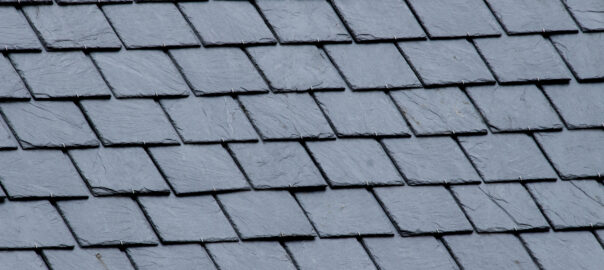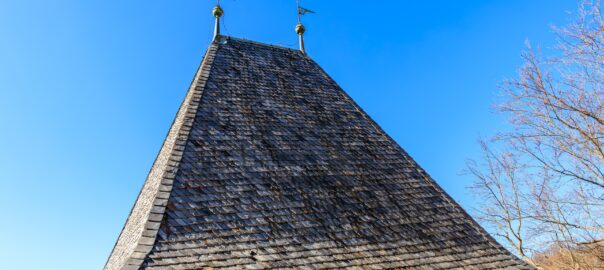
New Slate Roof

What to Know Before Installing a Slate Roof on Your Property

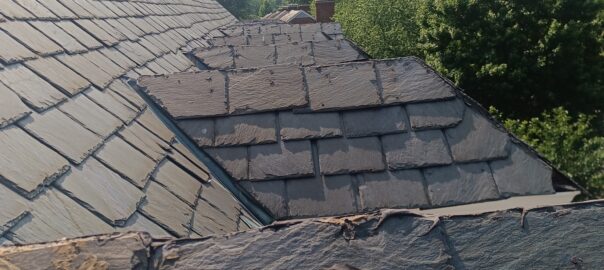
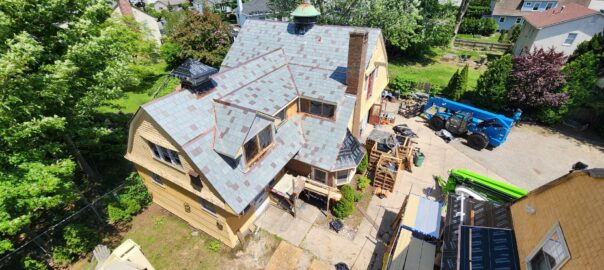
Installing a slate roof on your property is an investment in durability and timeless elegance. Known for its longevity and classic appeal, slate roofing has been a popular choice for centuries. However, before deciding to move forward, it’s important to understand the benefits, considerations, and process involved. This can make all the difference in ensuring your roof is installed efficiently and lasts for decades. In this blog, we will discuss key considerations for slate roofing installations and how Rhode Island Slate Roofing can help homeowners in Rhode Island and Massachusetts make informed decisions about their projects.

Why Choose Slate Roofing for Your Property?

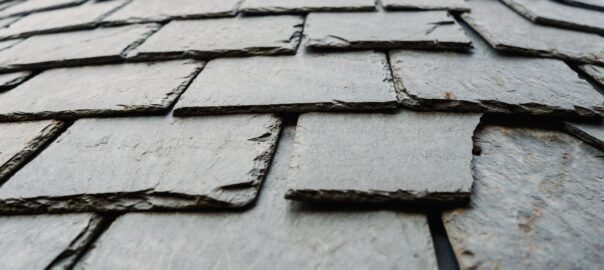
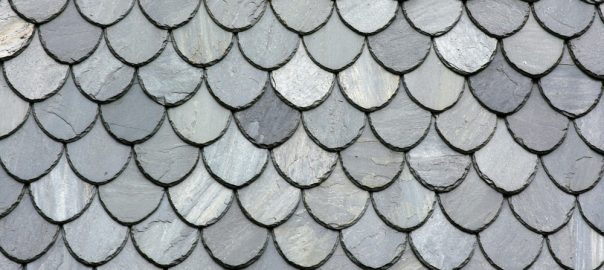
Slate roofing is known for its exceptional durability, unique aesthetic, and low maintenance compared to other materials. It often lasts over 100 years with proper care, making it a top-tier option for homeowners who value both function and style. Additionally, slate roofs are fire-resistant, weather-resistant, and eco-friendly, as they are made from natural stone. They can also increase your property’s value by enhancing its curb appeal and historical charm.

At Rhode Island Slate Roofing, we offer high-quality slate roofing installations to help homeowners in North Smithfield, RI, and the surrounding areas create stunning and long-lasting results. Whether you’re adding a slate roof to complement a historical home or building a new property, we provide the craftsmanship needed to complete each project with care.

What to Expect During a Slate Roofing Installation

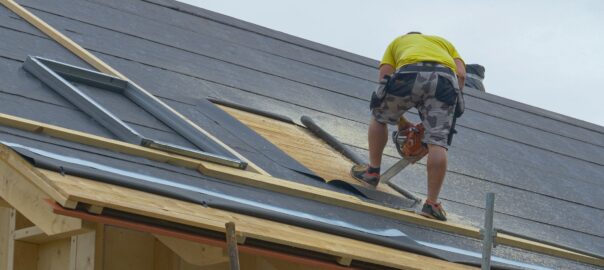
Slate roofing installations require precise planning and expert skill to ensure a flawless finish. The process typically includes:

  • Initial Assessment
    A roofing contractor will evaluate your home’s structure to confirm it can support the weight of slate tiles, which are heavier than other roofing materials.
  • Material Selection
    You can choose from a variety of slate colors and styles to match your home’s design and personal preferences. Popular choices include gray, green, and red slate.
  • Professional Installation
    Experienced professionals will carefully lay out each slate piece to form a seamless and polished roof. Unlike standard roofing installations, this requires a specialized approach to balance aesthetics and functionality.

Maintaining Your Slate Roof After Installation

While slate roofing is highly durable, proactive maintenance is essential to keep it in pristine condition. Routine inspections ensure any minor issues, like chipped tiles, are quickly addressed. Slate roofing repairs, when managed early, can prevent more extensive damage and extend the life of your roof. For homeowners in Rhode Island and Massachusetts, relying on an experienced contractor simplifies this process and ensures repairs are completed with matching materials.

If your property features unique architectural elements or historical designs, slate roofing can preserve its timeless charm. Rhode Island Slate Roofing also specializes in historical roof repair, combining modern techniques with traditional craftsmanship to protect local homes and landmarks.

Is Slate Roofing Right for Your Home?

Slate roofs are ideal for homeowners seeking a combination of beauty, strength, and longevity. However, the weight and cost of the materials may not suit every home or budget. Homes in areas with strict historical preservation requirements or unpredictable weather benefit most from slate roofs. Additionally, careful structural assessments are needed to confirm that your residence can bear the material’s weight.

If you’re considering other options, clay tile roofing provides an alternative with comparable elegance and durability while being slightly lighter. It’s worth consulting with a trusted expert to evaluate your specific needs.

Get Professional Guidance and Installation from Rhode Island Slate Roofing

Rhode Island Slate Roofing specializes in slate roofing installations, repairs, and historical roof maintenance. Serving communities across Rhode Island and Massachusetts, including North Smithfield, we are dedicated to ensuring every roof blends beauty with functionality. Whether you’re installing a new roof or scheduling repairs, our team brings over 15 years of industry experience to every project.

To learn more about slate roofing or to schedule a consultation, contact us online today. Explore how we can help make your vision a reality with expert assistance and exceptional results.

Preventing Ice Dams on Slate Roofs During the Coldest Months

With the falling of temperatures and the accumulation of snow, a lot of homeowners, particularly with older or historic slate roofs, have had an irritating winter issue in the form of ice dams. These are large ridges of ice, which develop on the sides of the roof and trap snow behind them. 

The result? Water backing up under shingles, interior leaks, damaged insulation, and costly repairs. Ice dams may seem to be an inevitable struggle for families who attempt to defend their homes during the coldest months of the year.

The positive thing is that you can have your slate roof preserved all season long with the help of the appropriate prevention measures.

What Causes Ice Dams on Slate Roofs?

Although the slate is very tough, it can still be damaged by an ice dam. Ice dams are also common when the heat escapes in the attic, which heats the roof and leads to the melting of snow. The water is then directed towards the lower end of the roof, where it again refreezes into a solid block of ice. This hard ice accumulation in the drainage forces water to back up beneath the slats.

Homes with poor ventilation, insufficient insulation, or heavy snow accumulation experience ice dams more frequently. 

How Ice Dams Damage Slate Roofs

Slate is durable, but the frame beneath it is vulnerable to damage due to the formation of ice dams. The melted water can leak to the underlayment, rot wooden decking, and even grow molds.

Repeated freeze–thaw cycles may also loosen sealants or stress flashing around chimneys and valleys.

Key Prevention Strategies for Ice Dams

Slate roofs are sensitive and should be handled gently and carefully, but proactive winter maintenance can significantly lower ice dams forming. .

Smart winter prevention methods include:

  • Improving attic insulation to keep warm air from escaping
  • Ensuring proper ventilation so cold air circulates evenly under the roof
  • Clearing gutters to help melted snow drain away
  • Removing heavy snow buildup with a safe, roof-friendly snow rake
  • Sealing air leaks in attic floors, around pipes, and near recessed lighting
  • Installing ice and water shield underlayment during repairs or new installations

Safe Snow & Ice Removal for Slate Roofs

Never use metal tools, salt, or harsh chemicals on a slate roof—they can crack the tiles or corrode the flashing. If an ice dam becomes severe, professional removal is always the safest option. Roofing specialists use steam or gentle techniques to melt the ice without damaging your slate.

The Importance of Long-Term Roof Maintenance

Slate roofs are attractive and are constructed to last many decades; however, they require regular inspection, particularly in winter, before and after. An annual inspection can catch loose slats, aging flashing, and ventilation concerns before they turn into winter emergencies. 

Contact Rhode Island Slate Roofing

Slate ice dam prevention is a task that needs work and professionalism. We specialize in the maintenance of slate roofs, winter maintenance, insulation upgrades, and ice-dam prevention that will save your home throughout the whole season.

Whether you need an inspection, snow removal, or long-term improvements, our team ensures your slate roof stays strong, safe, and leak-free even in the coldest months. Give us a call at (401) 255-2003 or use our contact form to get in touch with us. 

home with slate roof

How a Slate Roof Can Boost Your Home’s Value in Rhode Island

As a homeowner, you know your roof plays a role in appearance and long-term value. Slate roofing has become a highly sought-after upgrade because of its durability, timeless beauty, and impressive return on investment.  If you’re considering a roofing project, here’s how a slate roof can significantly boost the value of your Rhode Island home.

What Makes Slate Roofing Stand Out?

Slate is one of the most premium and long-lasting roofing materials available. Unlike manufactured shingles, slate is a natural stone that offers unmatched durability and weather resistance. This makes it an ideal option for Rhode Island’s coastal climate, which brings heavy winds, salt air, and harsh winter conditions. Slate roofing lasts 75-100 years, and it requires less maintenance, making it very appealing to future homeowners. 

Increased Curb Appeal

Curb appeal plays a major role in determining home value, and slate roofing offers a level of beauty that few materials can match. Slate’s rich colors and classic texture make any property look more refined and well-maintained. This visual upgrade often translates directly into higher resale value because buyers associate slate roofs with quality, longevity, and craftsmanship. Even if you’re not planning to sell immediately, enhancing your home’s appearance now helps maintain and grow its value over time.

Why Professional Installation Matters

While slate offers incredible benefits, its performance depends heavily on proper installation. Slate roofing requires specialized training and precision that general roofing companies may not have. Incorrect installation can lead to cracked tiles, poor ventilation, leaks, or uneven weight distribution. A properly installed slate roof not only performs better but also holds its value, providing greater confidence to future buyers and home inspectors. Rhode Island Slate Roofing specializes in slate roofing, making it a great choice for installing your slate roofing. 

Contact Rhode Island Slate Roofing 

If you’re ready to upgrade your home with a roof that boosts value, enhances curb appeal, and provides decades of protection, Rhode Island Slate Roofing is here to help. Our team specializes in slate roof installation, repair, and restoration across the state. Contact us today by calling (401) 255-2003 or by filling out our contact form

slate roof damage

Signs Your Roof Needs Repair Before Snow Arrives

Winter is just around the corner, which means it’s time to start thinking about your roof. Snow, ice, and freezing temperatures can turn small roofing issues into big, expensive problems fast. Even a few missing shingles or subtle signs of wear can lead to leaks, water damage, or structural trouble when storms roll in. Spotting and addressing these issues now can save you a major headache later. Here are signs that your roof needs repair before the snow arrives.

Common Signs Your Roof Needs Repair Before the First Snowstorm

Missing or Damaged Shingles

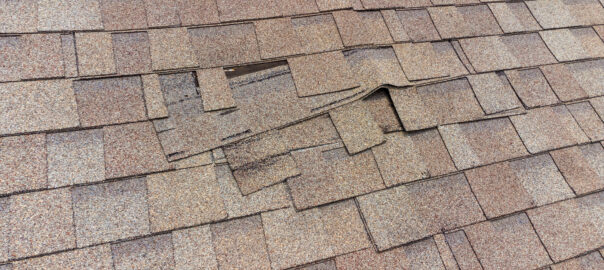
If you notice shingles that are cracked, curled, or completely missing, it’s a clear sign your roof needs attention. These areas allow water and snow to penetrate the roof deck and increase the risk of leaks and insulation damage. A full snow season can magnify these vulnerabilities.

Granules Gathering Near Your Roofline

When you find shingle granules collecting in gutters or on the ground below your roof, it often means your shingles are reaching the end of their life. These granules protect the shingle surface from the elements, and once they’re lost, the roof becomes much more vulnerable to water infiltration and ice damage.

Gaps Around Flashing Could Invite Winter Leaks

The flashing around chimneys, vents, and skylights plays a critical role in keeping water out. Over time, these seals may crack, warp, or corrode, allowing snowmelt or ice dams to seep in. If you see rusted flashing, gaps, or signs of exposure, it’s time for repair before winter hits.

Ice Dams and Poor Attic Ventilation

Ice dams form when heat from inside the home melts snow on the roof, which then refreezes at the eaves. These ice accumulations block drainage and force melted water under shingles. Signs of poor attic ventilation or insulation often show up as interior stains or frost on rafters. Addressing insulation and airflow now prevents major headaches later.

Moisture in the Attic

Sometimes the warning signs are found inside your attic or on your ceilings. If you see water stains, peeling paint, or mold in the attic or upstairs rooms, your roof may already be letting in moisture. Snow and ice make this worse, so it’s important to fix the source of the leak before damage spreads.

Sagging Rooflines

A sagging roof is one of the clearest warning signs that something isn’t right. It can happen when moisture weakens the roof decking or when heavy snow from previous winters has added too much weight over time. You might notice a dip along the ridge or an uneven slope that wasn’t there before. This is a sign of structural issues that need attention right away. 

Contact Rhode Island Slate Roofing

We understand the urgency of getting your roof ready before snow arrives. Our team offers thorough inspections, reliable repairs, and clear estimates so you know exactly where things stand. Whether you need shingle replacement, flashing repair, or attic ventilation upgrades, we’re here to protect your home and give you peace of mind this winter. Contact us to let us help you get prepared today.


Fall Old Roof Leaves

Why Fall Is the Best Time for a Roof Inspection

Take a good look up. No, not to the sky. I mean, look at your roof. Fall is the ideal time to inspect your roof.  The weather’s cooperative, and this is probably the last time you’d see it this well before winter sets in. For our readers with ADHD, there are other parts of the house to inspect before the winter, but let’s focus on the roof for now. Because catching those issues now would save you money, stress, and even your ceiling.

You can actually see what’s going on

When it was summer, everything was dry. There’s a good chance you could even live with some level of damage to your property. In Spring, you have the constant rain to deal with, which leaves you with a bit of a head scratcher as to the true situation of things. Is it an active problem, or is it leftover moisture build up? But the dry days with mild temperatures in fall present the best opportunity to get a ladder, go up on the roof, and spot those missing shingles, cracked flashing, or sagging spots. You could unclog your roof gutters and remove leaves and little tree droppings that damage your roof drainage. 

Summer damage shows up now

Roofs take a beating during the summer. UV rays take a toll on roof shingles over the course of the summer. There’s the constant contraction and expansion these materials have to deal with under the intense heat. These cause the nails to loosen and create gaps in the roof. Then you have the storms, high winds, or occasional heavy rain. The damage from these weather effects may not be so obvious until the temperatures start to cool down in the winter. Now’s the best time to go take an audit on the condition of your roof. Don’t wait till you’re in the middle of a snowstorm to realize your roof wasn’t ready.

Prep before winter locks everything in place

Snow and ice don’t play with faults in your home installations. Once snow and ice come in, it’d be too late to fix most issues. Ice dams can expose weaknesses in the structure. When cracks form, and snow catches in, trapped water seeps under shingles and into your attic. God forbid your roof has hidden damage; the added weight of snow will make it worse fast. Make sure to get an inspection done to enable you to seal gaps, replace worn-out materials, and reinforce weak areas before the cold seals it in place.

It’s easier (and safer) to schedule help

Springtime is a busy season for roofers. This is when the leaks from all the roofs that suffered winter damage occur. Summer’s also booked but for a different job – roof replacements. What roofers find is that in the fall, they aren’t as heavily booked. This is the reason fall is the best time to get roofers to work on your roof. What’s not to love? You get faster service times, more flexible scheduling, cheaper rates, and more time for thorough work. And because of the predictably mild weather, inspections and minor repair work happen without constant delays due to weather. 

You’ll save money in the long run

In the fall, when the roofers are not as fully booked. You get the benefit of free inspections. These inspections can uncover minor issues before they become large bills. Think of fixing a few shingles or resealing flashing. These would cost a fraction of what it’d be after a winter leak ruins your insulation, drywall, or flooring. These can escalate to problems with your insurance company denying your claims on the grounds of being avoidable damage. Think of it like your house is getting a routine oil change – it’s routine, and way less of a bother than a full-on breakdown.

What to look for during a fall roof check

From the ground floors, watch out for;

  • Missing, curled, or cracked shingles
  • Dark streaks or moss growing along the wall. This is a sure sign of moisture building up
  • Uneven ridges or sagging rooflines
  • Leaves clogging up the gutters and roof valleys

Contact Rhode Island Slate Roofing

It doesn’t take too much expertise to spot an issue with your roof. When you do, you need someone competent to take care of it. That’s where Rhode Island Slate Roofing comes in. We offer free, no-pressure roof inspections every fall. Our certified technicians know what to look out for, what to fix, and what can remain. Call us at 401-255-2003 or fill out our contact form to make sure your roof is winter-ready.

broken and fallen slate

Protecting Your Slate Roof from Storm Damage

Slate roofs are a good option for beautiful, long-lasting roofs, but any material can take a beating when faced with severe weather. High winds, hail, and heavy rains can all place a significant burden on your roof and cause liability if the roof is not properly maintained. 

Protecting your slate roof from storm damage requires preparing your roof in advance of a storm, maintaining it regularly, and knowing what to do in the event of a storm.

Why Slate Is Resilient But Not Invincible

Slate is valued for its strength, with many slate types being resistant to winds reaching 110 mph or higher and hail up to Class 4 resistant. Throw in the fact that it is one of the most durable roofing materials available. 

However, that doesn’t mean it’s indestructible. During powerful storms, slate can dislodge, crack, or compromise flashing, and without prompt attention, these issues may lead to leaks or structural damage. While slate’s resilience is impressive, preparation and ongoing maintenance are essential to keeping your roof intact when a storm hits. 

Make Your Slate Roof Storm-Ready

Taking a few important/precautionary steps before it storms can help minimize damage.

  • Regular Inspections — Have your roof inspected prior to storm season to find any broken slats, missing flashing, and clogged gutters.
  • Hardware — Attach clips or hurricane straps to the structure to help keep it secured from wind uplifts.
  • Tree Trimming — Trim branches that could fall on your roof.
  • Gutters and Downspouts — Remove leaves and debris from gutters and downspouts to allow water to drain and prevent a pool from forming on your roof.

Spotting and Handling Storm Damage

Following a storm, keep an eye out for all the telltale signs of trouble. Missing tiles, cracked slats, or shifted flashing can often be signs of storm damage. Moreover, hail can cause dents or hairline fractures, which can trap moisture and lead to faster deterioration. If more than 20–30% of your slats are damaged, replacing some sections of the roof may be more effective than repairing several small leaks.

Smart Reinforcements and Upgrades

Storm protection doesn’t end with maintenance. Upgrading to a slate impact-resistant roof, adding hurricane straps, and addressing moss/algae and any other issues will future-proof your roof for many years to come. As we all know, proactive repairs and preventative measures are almost always less expensive than a full-scale replacement.

Have Roof Damage? Contact Us

Taking care of a slate roof is not only about retaining its unique beauty, but it is also about addressing safety and longevity for all seasons. For peace of mind before your next storm, trust Rhode Island Slate Roofing to provide expert care and reinforcements tailored to your home. Contact us through our contact form or give us a call at 401-255-2003

installing slate roof

Don’t Miss These Signs Your Slate Roof Might Need Fixing

Slate roofs are known for their beauty, longevity, and ability to withstand the New England harsh winters, but that doesn’t mean they’re maintenance-free. Over time, even a durable slate roof can develop repairs that require professional attention. If you’re a Rhode Island homeowner, here are the key signs your slate roof may need repairs.

Cracked or Broken Slate Tiles

Cracked or broken slate tiles are one of the most common signs of roof damage. This can occur over time or in harsh winter conditions. If this isn’t repaired, the damage can lead to water leaks or structural damage. 

Water Stains on Ceilings or Walls

Water stains in the interior of your home can be a sign of water leaking through your roof. This shows up in brown or yellow discoloration stains on walls or ceilings. This is common in Rhode Island homes where heavy rain and snowfall happen. If you see water stains in your home, you should contact a roofing company to get ahead of the problem. 

Rusted or Failing Flashing

The flashing around chimneys, valleys, and roof edges keeps the water out of your home. But over time, this can rust and crack, especially with rain and snow.  Damaged flashing can lead to leaks, even if your slate tiles look fine.

Moss or Algae Growth

While moss is normal and is bound to happen in shady and damp areas. Excessive growth can trap moisture and cause slate tiles to degrade faster. If you notice heavy moss, it may be time for a roof cleaning and inspection.

Sagging or Uneven Roofline

If you notice a sagging area in your roof, this is often a sign of underlying structural issues. This could be caused by prolonged water damage, rotting decking, or poor installation. Slate is heavy, so it’s critical to catch and fix these issues early to reduce further damage. 


Your Roof Is Over 75 Years Old

Slate roofs are built to last, often 100 years or more, but that doesn’t mean repairs aren’t needed along the way. If your roof is over 75 years old and hasn’t been inspected recently, it’s a good idea to schedule a professional evaluation.

Why Regular Inspections Matter

Many slate roof problems can be caught early with routine maintenance. Annual inspections, especially after harsh winters or major storms, can help prevent small issues from turning into costly repairs.

Contact Rhode Island Slate Roofing

We understand more than anyone the unique challenges of Rhode Island’s winter weather and know what it takes to protect your home. If you notice signs that your slate roof may need fixing, contact our team! We use top-quality materials and expert craftsmanship, giving you peace of mind no matter the damage. Contact our team today to get your roof ready for winter, fill out our contact form, or call 401-255-2003

slate roof in winter

How Slate Roofing Holds Up Against Harsh Rhode Island Winters

Rhode Island is one of the best places to call home, with its ocean views, fresh seafood, and charming coastline. But the winters here are no joke. Heavy snow, freezing rain, and icy winds can put any roof to the test. Slate roofing has been trusted for centuries, not just for its look but for its ability to withstand the toughest weather. For Rhode Island homeowners, it offers unmatched durability, strength, and style. Here is how slate roofing holds up against harsh Rhode Island winters.

Rhode Island Winters and the Strength of Slate Roofing

What Is Slate Roofing?

Slate roofing is made from natural stone that’s been quarried, cut, and shaped into roof tiles. Each tile is incredibly dense and resistant to moisture, making it ideal for areas with harsh weather like Rhode Island. Because it’s a natural product, no two tiles are exactly the same, giving every slate roof a unique appearance.

Benefits of Slate Roofing in Rhode Island

Durability in Snow and Ice

One of the biggest challenges in a Rhode Island winter is the constant freeze-and-thaw cycle. Many roofing materials crack under pressure, but slate is incredibly dense and resistant to water absorption. This means it will not expand or contract as much in extreme temperatures, reducing the risk of damage from ice buildup.

Resistance to High Winds

Winter storms in Rhode Island often come with powerful gusts that can rip shingles right off a roof. Slate tiles are much heavier than traditional asphalt shingles, giving them an advantage when it comes to wind resistance. Properly installed, a slate roof can withstand winds that would cause significant damage to other materials.

Low Maintenance in Harsh Conditions

Because slate is a natural stone, it does not warp, rust, or rot. While all roofs require some level of care, slate’s durability means fewer repairs over the years. During winter, this can save homeowners time and money, as they won’t have to worry about constant patchwork after every storm.

A Long-Term Investment

Slate roofing can last 75 to 100 years or more with proper care, making it a true long-term investment. While the initial cost is higher than other materials, its lifespan and performance during harsh Rhode Island winters more than make up for it. This also adds to your home’s value, making slate a smart choice for both protection and resale potential.

Contact Rhode Island Slate Roofing

We understand more than anyone the unique challenges of Rhode Island’s winter weather and know what it takes to protect your home. Our team specializes in slate roofing installation and maintenance, keeping your roof strong through every season. We use only top-quality materials and expert craftsmanship, giving you peace of mind no matter how harsh the winter gets. Contact our team today to get your roof ready for winter, fill out our contact form, or call 401-255-2003. 

What to Expect During a Slate Roof Installation

If you’re considering upgrading to a slate roof, you’re investing in one of the most durable, beautiful, and long-lasting roofing materials available. At Rhode Island Slate Roofing, we understand that any roofing project is a significant undertaking, and we’re here to make the process as smooth and stress-free as possible. Here’s what you can expect during a slate roof installation.

1. Initial Consultation and Inspection

First, your slate roof installation begins with a consultation. We’ll visit your home or business to assess the structure, measure your roof, and discuss your needs and preferences. We’ll also inspect the existing roofing system to determine if any structural upgrades are required to support the weight of slate, which is heavier than asphalt shingles or metal. Next, you will choose the type, size, and color of slate you prefer. Our team of professionals can help you select the right material for your building and budget.

2. Detailed Estimate and Project Planning

After the inspection, we’ll provide a detailed estimate that includes labor, materials, and timelines. Slate roofing is a premium product, so it’s important to understand both the cost and long-term value. We’ll also outline the full scope of the project so you’ll know what to expect in each phase. Once approved, we schedule your project and order your slate tiles and underlayment materials. Because slate is a natural product often cut to order, there may be a short lead time for materials to arrive.

3. Removing the Old Roof

On installation day, our crew begins by safely removing the existing roofing material down to the decking. We protect your landscaping, siding, and property during this phase. Any damaged or rotten decking is replaced to ensure a solid foundation for the new slate roof.

4. Installing the Underlayment and Flashing

Slate roofs require a specialized underlayment, typically a high-quality synthetic or felt product that provides waterproofing. We also install custom flashing around chimneys, valleys, and roof penetrations to ensure your roof is watertight. Proper flashing is critical in slate roofing and one of the main factors in its long-term durability.

5. Laying the Slate Tiles

Our experienced team hand-installs each slate tile, ensuring proper alignment and overlap. Slate is fastened with copper or stainless steel nails to prevent rust and staining. Because slate tiles are laid individually, this process takes longer than installing other roofing types, but the results are worth it for a roof that can last 100 years or more.

6. Final Inspection and Cleanup

Once installation is complete, we perform a final inspection to ensure every detail meets our high standards and yours. We clean the job site thoroughly, removing debris and ensuring your home looks even better than when we started. If you are looking to install slate roofing on your New England home, contact Rhode Island Slate Roofing at (401) 255-2003, and we will be happy to work with you to get the best roof for your home. 

Slate Roof and Windows

What Makes Slate Roofing Ideal for Rhode Island Homes?

When it comes to choosing the right roofing material for your home, especially in a place like Rhode Island, the decision is more than just aesthetic; it’s about long-term durability, protection, and value. One material stands out as a superior option for New England homes: natural slate. Here’s why we believe slate roofing is one of the best choices for homeowners in the Ocean State.

1. Built for Rhode Island’s Weather

New England weather can be unpredictable, whether it’s coastal storms or Nor’easters to humid summers, or cold winters. That’s why the roofing on your home needs to be water-resistant, wind-resistant, and incredibly durable. That’s why slate roofing is perfect for Rhode Island’s unpredictable seasons. 

2. Timeless Aesthetics That Match New England Architecture

Rhode Island is known for its historic homes, colonial-style architecture, and coastal charm, and slate roofing not only protects these homes but also enhances their character. Each slate tile offers natural elegance, with unique textures and rich color variations that create a high-end, timeless appearance. Beyond aesthetics, a properly installed slate roof significantly boosts curb appeal and adds lasting value, helping homes stand out in any Rhode Island neighborhood.

3. Incredible Longevity

Slate Roofing is incredibly worth it due to its longevity. Slate roofs can last 75 to 150 years or even longer with proper maintenance. For Rhode Island homeowners, that means investing once and enjoying peace of mind for generations.

4. Great for Historic and Coastal Homes

Rhode Island is rich in historic districts and coastal communities, where building materials follow strict preservation and environmental standards. In many of these areas, preservation societies and local regulations either prefer or require the use of slate for restoration projects, as it maintains the architectural integrity of historic homes. Slate is highly resistant to salt, moisture, and the harsh coastal climate, making it an ideal roofing choice for homes in seaside towns along the shoreline.

5. Adds Value to Your Home

A slate roof is a sign of quality craftsmanship and lasting value. Buyers recognize it as a premium feature, one that can justify a higher resale price. Some insurance companies offer lower premiums for fire-resistant and weather-durable roofs.

Contact Rhode Island Slate Roofing

If you’re considering slate roofing in Rhode Island, whether for a new home, a replacement, or a historic restoration, Rhode Island Slate Roofing can help! With decades of experience working on slate roofs, we can help you achieve your home roof goals. Contact us today through our contact form, or give us a call at 401-255-2003